
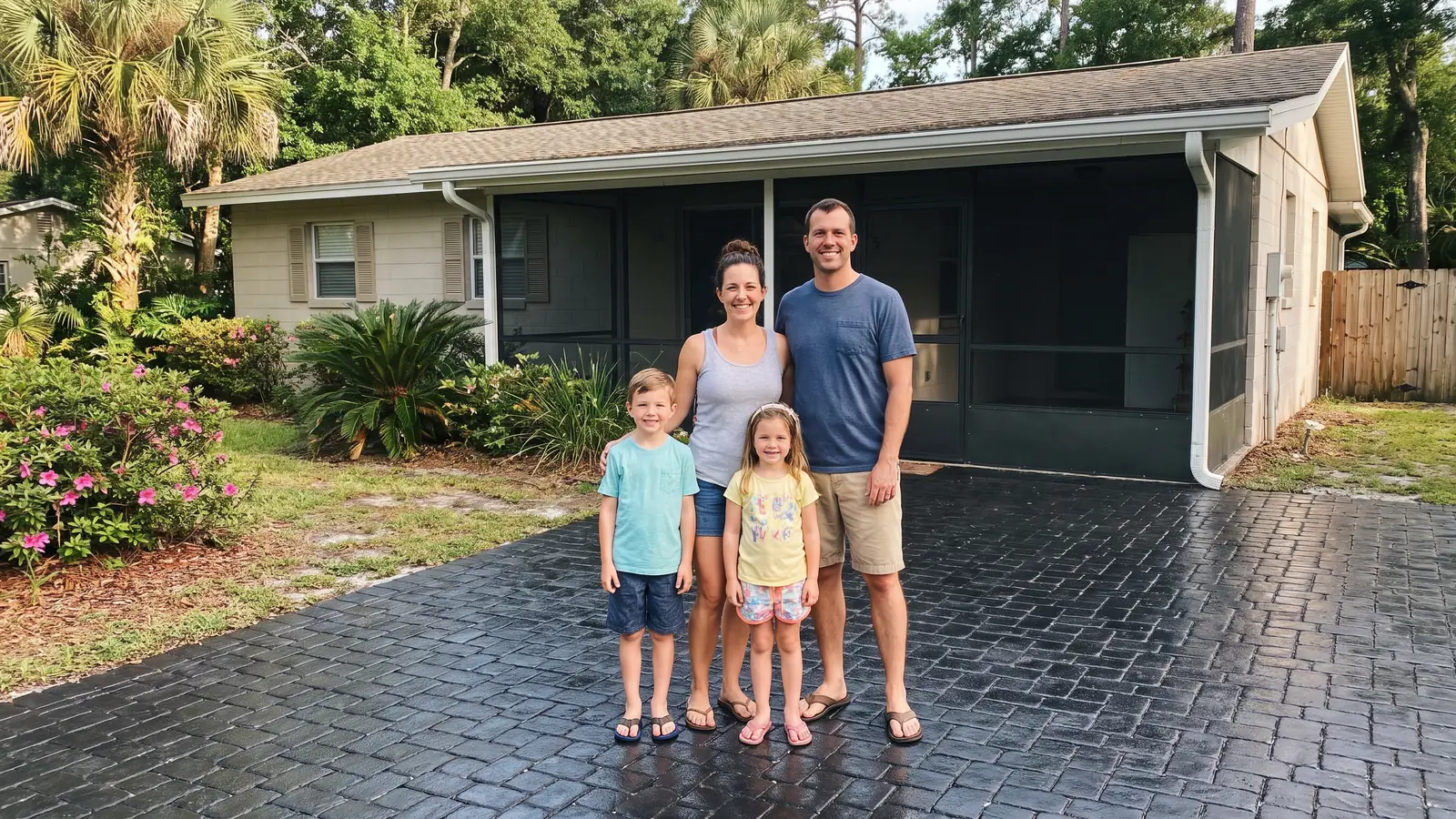
Paver sealing for San Marco homes
Paver Sealing in San Marco, FL
San Marco brick and pavers under the magnolias can look fresh again, so call (904) 593-3709 for a free estimate.
- Brings out deeper paver color
- Fresh joint sand helps lock pavers in place
- Gives weeds less room to grow
- Makes the surface easier to keep clean
- Free estimate, no obligation
Request a Free Estimate
Free, no obligation.
Fast, careful paver sealing in San Marco
San Marco homeowners can get paver sealing for brick and concrete with a free estimate from a local contractor who washes, re-sands and seals. Ask with book a free estimate and expect an answer inside 1 business day, usually well before. Say if you have old clay brick or concrete, since the right sealer differs.
Maybe the brick walk to your door has gone dark and mossy under the magnolias, or the driveway has faded in patches. With a wash, fresh sand and the right sealer, the color evens out and stays cleaner longer. To talk it through first, call (904) 593-3709.
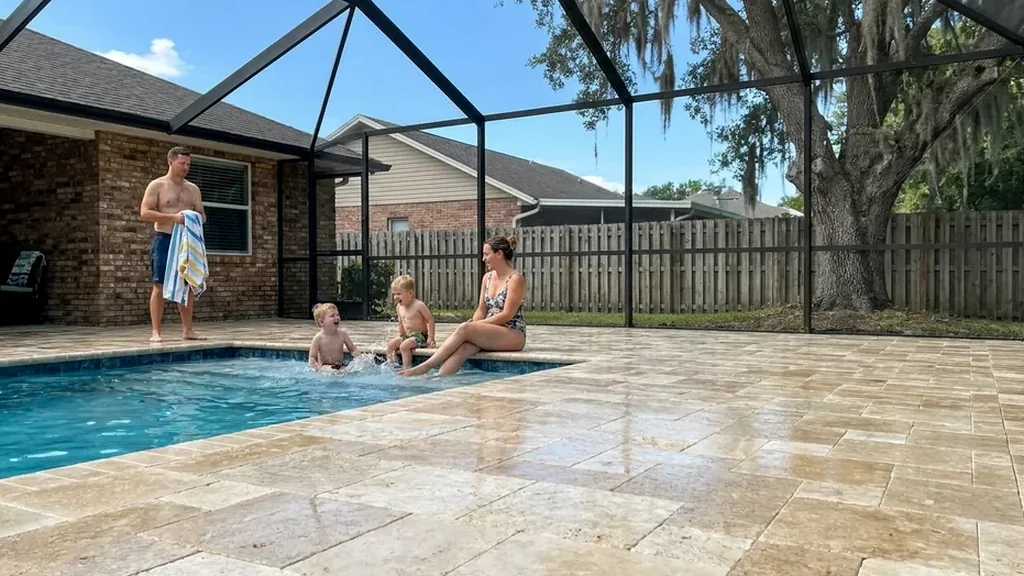
Why hire a local paver sealing contractor in San Marco?
San Marco has old brick, big oaks and homes from the 1920s, and each one changes which sealer fits. A local contractor knows the difference, and you can book a free estimate to ask about your yard. There is no obligation either way.
Look first, price second
Your San Marco brick or pavers get inspected in person before a number is given. Nothing is owed for it.
A range for comparison
Listings around Jacksonville show $1.75 to $3.25 per square foot to clean, sand and seal. Use that to judge bids.
Sealer matched to material
Old clay brick and concrete pavers want different products. Ask which one is planned and why.
The finish is yours to pick
Matte leaves the natural look. A wet look deepens color, though scuffs show sooner.
Get Your Free Estimate in San Marco
Tell us about your pavers in San Marco.
Free, no obligation
What paver problems show up most in San Marco?
Old brick that needs to breathe
A Northeast Florida paver company recommends a breathable, penetrating sealer for old clay brick, since a film sealer can trap moisture and cause flaking. Old brick walks and courtyards are common around San Marco. A film coat on the wrong surface can peel within a season or two. That means the product choice matters as much as the wash. Old brick can also hold water in its pores, which is why the coat has to let vapor out. Ask any contractor which product they plan for brick and why. Old brick holds water in its pores, which is why the coat must let vapor out. Courtyards enclosed by walls trap damp air, which is hard on brick that already holds water.
Damp shade under magnolias and oaks
Landon Park in San Marco is shaded by large magnolias and oaks, and many yards have the same cover. A St. Augustine area paver company says an oak canopy keeps a surface damp for hours after rain, and mildew moves in once the sealer wears thin. Green film and dark spots show up in the same shady places each year. The green film starts thin, so it is easy to ignore until the walk turns slick. Sweeping leaves off often helps, but the film itself needs a wash. Raking leaves off the surface each week keeps it from staying wet. Landon Park shows what a magnolia canopy does: deep shade that lasts most of the day.
Joint sand lost to summer rain
Heavy summer storms drop most of Jacksonville's roughly 52 inches of yearly rain between May and September. Lost joint sand can widen joints, let soil in and invite weeds. On brick walks, empty joints also let the pavers shift. A walk that wobbles underfoot needs repair before any sealer goes on. The old mortar between brick can also crumble, and a sealer cannot fix that. Loose spots should be repaired first. Mortar between old brick can crumble, and sealer cannot fix that. Brick walks laid on sand are more sensitive to washouts than concrete pavers on a firm base.
Brick and concrete in one yard
Many San Marco yards combine an old brick walk with a newer concrete paver driveway. A Northeast Florida paver company says a yard with both materials needs a plan for each. Brick usually takes a silane or siloxane product, and concrete can take a film-forming acrylic. One product for both can fail on one of them. Matching the look of the two can take a conversation, because a wet look on concrete next to matte brick can seem mismatched. Matching the sheen across the two surfaces takes a short conversation. A walk of old brick leading to a concrete drive is a common pairing in a neighborhood this age.
Coats nobody wrote down
San Marco broke ground in 1925, so some walks and patios have been redone by several owners. The product on them may be unknown. A water-based coat will not hold over a solvent-based one, and an oil-based coat gets stripped first on about 10 to 20 percent of one Jacksonville firm's projects. A flaky or cloudy surface is a hint. A receipt, an invoice or a neighbor with the same walk may settle it. A neighbor with the same walk may know what was used. Some San Marco walks were relaid when owners added porches, so one walk may hold two ages of brick.
Does my older San Marco home need a different sealer?
It can, because many San Marco homes are old and so are their walks. San Marco broke ground in 1925 on 80 acres of the former Villa Alexandria estate, and the Alexandria Place area has a median build year of 1939. Old clay brick usually gets a silane or siloxane product, and concrete pavers can take a film-forming acrylic. Name your material when you book a free estimate.
San Marco follows the City Beautiful idea, with winding streets, planted medians, parks and larger lots rather than a grid. Colonial Manor and South Riverside are neighborhoods within it, and St. Nicholas lies just east. Larger lots can mean bigger drives and courtyards, so call (904) 593-3709 and share the size of your paved areas.
Homes in a local historic district need a Certificate of Appropriateness from the city for exterior work, with driveways given as an example. The city page does not name sealing, so check the Land Development Map before you book. Once you know what applies, book a free estimate.
What does paver sealing cost in San Marco?
Around Jacksonville the published figure is $1.75 to $3.25 per square foot to clean, sand and seal. A yard with both brick and concrete needs a plan for each, which can mean two products and two price lines. Failed coats need stripping first, and strip-and-reseal costs more. To see what yours would cost, book a free estimate.
Shade drives the price too, since an oak canopy keeps a surface damp for hours after rain and mildew moves in once the sealer wears thin, one paver company says. Heavy mildew takes more washing time. One Jacksonville guide adds that smaller jobs cost more per square foot. Call (904) 593-3709 and ask what a shaded San Marco courtyard would involve.
| Paved area | Typical example | Clean, sand and seal |
|---|---|---|
| 300 sq ft | Small patio or walkway | $525 to $975 |
| 600 sq ft | Two car driveway | $1,050 to $1,950 |
| 1,000 sq ft | Large driveway or pool deck | $1,750 to $3,250 |
| 1,500 sq ft | Driveway plus pool deck | $2,625 to $4,875 |
Math based on the $1.75 to $3.25 per square foot that Northeast Florida paver companies publish. Your contractor sets the actual price after seeing the surface. Repairs, leveling and stripping failed sealer are usually extra.
How does a paver sealing job work in San Marco?
Identify the material and the old coat
The contractor confirms if the surface is clay brick, concrete pavers or both. Each gets its own plan. Any old sealer is tested first, since a water-based product cannot be laid over a solvent-based one. Sunken or loose brick gets marked for repair, since sealing preserves a dip. Photos sent ahead help the contractor plan the visit. Brick and concrete get separate notes in the quote. A small test patch on the brick shows how it takes water before the full job begins.
Wash with care
Old brick and old mortar need a gentle hand. Standard concrete pavers can lose their surface above 3,000 PSI, a trade supplier says, so pressure stays moderate on brick and concrete alike. Moss, mildew and leaf stain come off here. Anything left under sealer stays for good. Rust and oil spots are treated at this stage too, since they cannot be lifted once sealer is down. Shaded corners often need a second pass, and the contractor will say so while working. Old mortar gets the gentlest pressure of all.
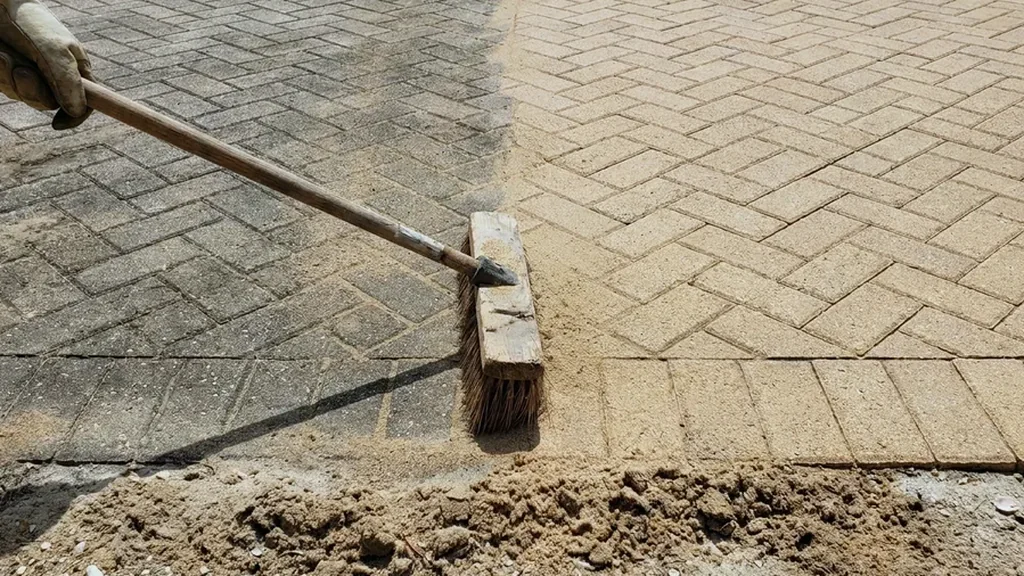
New sand between the pavers
Washing takes sand out of the joints, so the contractor sweeps new sand in until they are full. Lost sand lets soil in and weeds follow. Tight joints also keep brick from shifting underfoot. Oak-shaded corners often need the most. Sealed joint sand stabilizes the surface and discourages weeds and ants. Fresh sand also keeps old brick from shifting, which protects the look of a courtyard or a walk to the porch. Brick walks that wobble are reset before the joints are filled. Brick walks that wobble are reset first so the sand has something firm to lock against.
Let the shade dry out
One maker calls for a full 24 hours of drying after cleaning or rain. An oak canopy keeps a surface damp for hours, so shaded courtyards take longer. A careful contractor waits, because sealing a damp surface traps moisture. Cure time needs another 24 dry hours after application. Courtyards ringed by walls may hold damp air even longer.
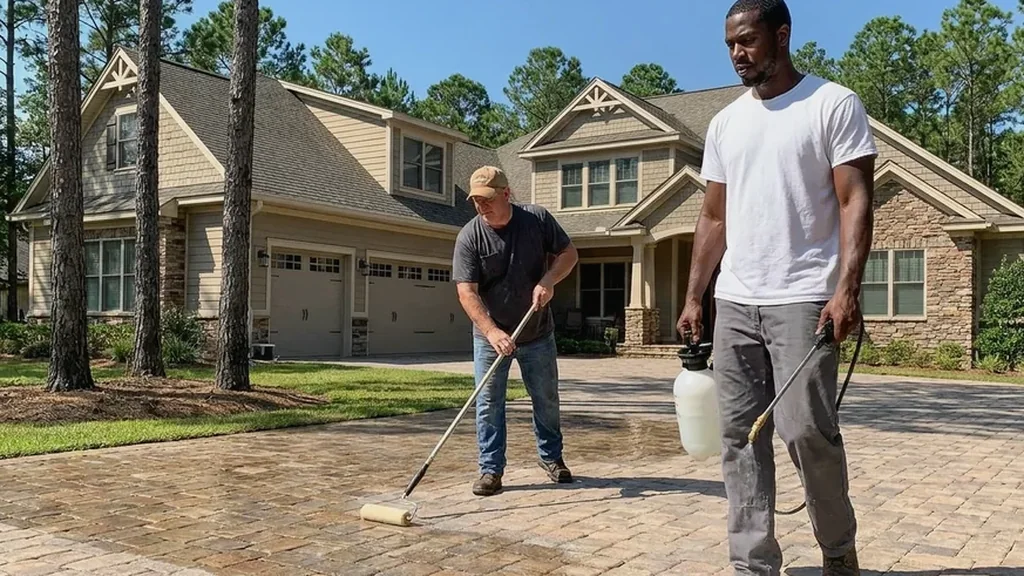
Apply the right sealer for each surface
Brick gets a breathable, penetrating product. Concrete pavers can take a film-forming sealer, put on by spray and back roll. A roller levels any extra, since sealer left pooled can dry cloudy. Ask for the product names and finishes in writing. Turn the sprinklers away for the first day. Ask for the product name for each surface, brick and concrete. Brick and concrete are finished on separate passes so each gets its own product.
Complete paver services in San Marco
San Marco work moves in four stages, wash, sand, dry and seal, whether the surface is brick or concrete. Only the sealer at the end differs. A gentle wash spares old mortar, and a long dry time protects the coat. Call (904) 593-3709 for the time each stage takes.
Brick front walks, courtyard patios, concrete paver driveways and pool decks are typical here. Shaded brick turns dark and mossy first, and driveways show tire wear and oil. When you book a free estimate, name your materials and send photos if you can.
Old clay brick usually takes a silane or siloxane product that keeps water out and leaves the look alone. Concrete pavers can take a film-forming acrylic in matte or a wet look. A film on brick can trap moisture and flake. Call (904) 593-3709 to talk through the right pick for your home.
Rain falls hardest from May to September, and an oak canopy keeps surfaces damp for hours. One Jacksonville company says spring and fall often bring the steadiest weather for sealing. Plan extra dry time for shaded courtyards. To choose a date, book a free estimate and ask how rain delays are handled.
Questions to ask before you hire
- If rain moves the job, how do I find out and when is the new day?
- How hard do you spray, so the joints and the paver surface are not damaged?
- Will you cover my pool cage screens and the plants along the walkway?
- Can you work around a gate, a dog run or a car I cannot move that day?
- Will you need my outdoor water spigot, or do you bring your own water?
- Does the quote include a second pass on spots that still look stained after the first wash?
- How do you tell whether my pavers need a reseal or a full strip first?
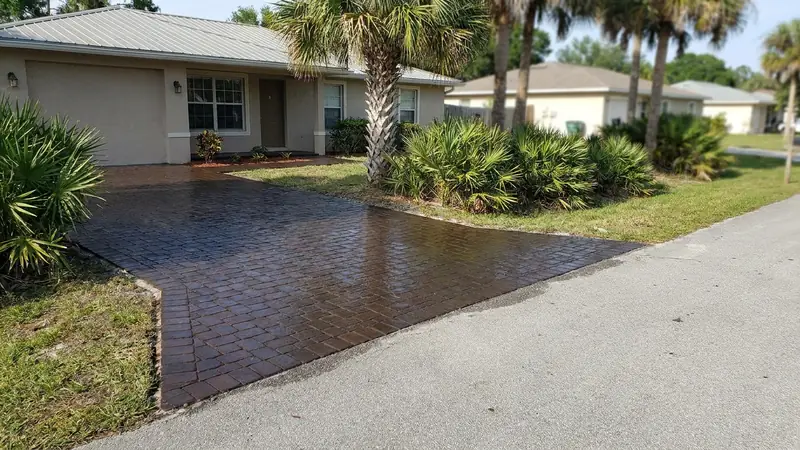
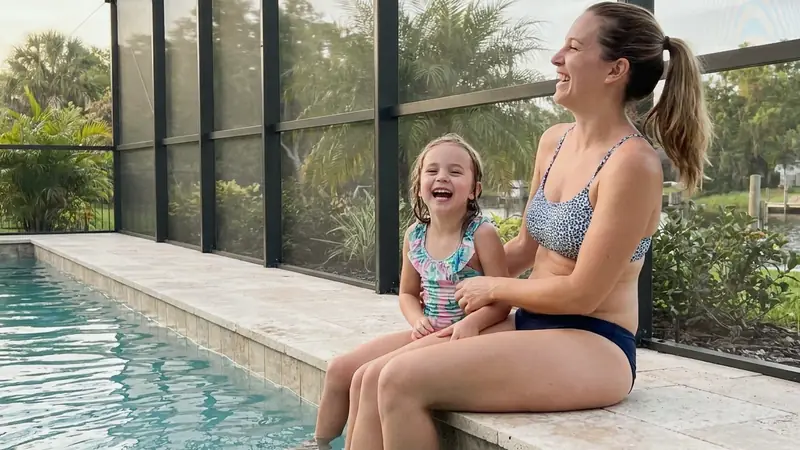
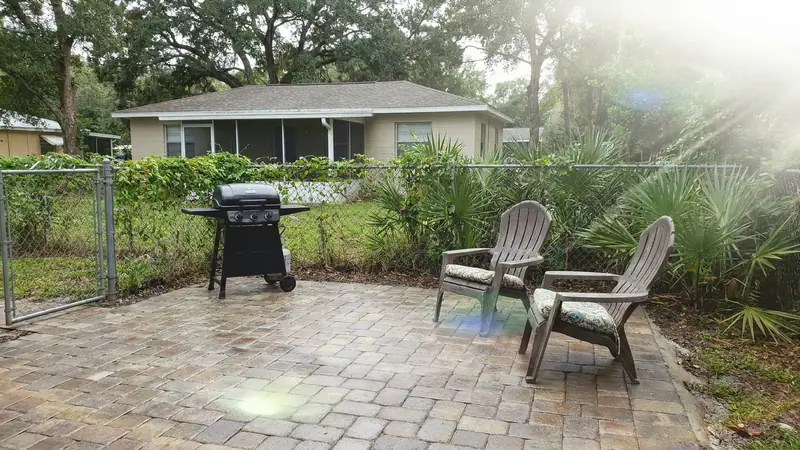
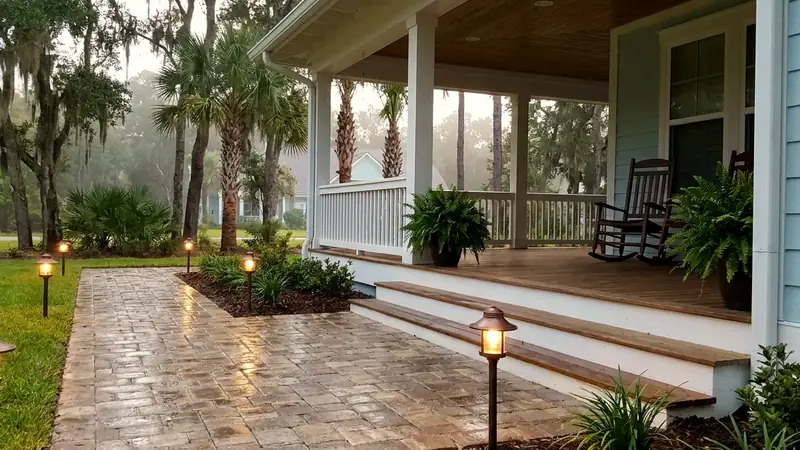
What do sealed pavers look like around San Marco?
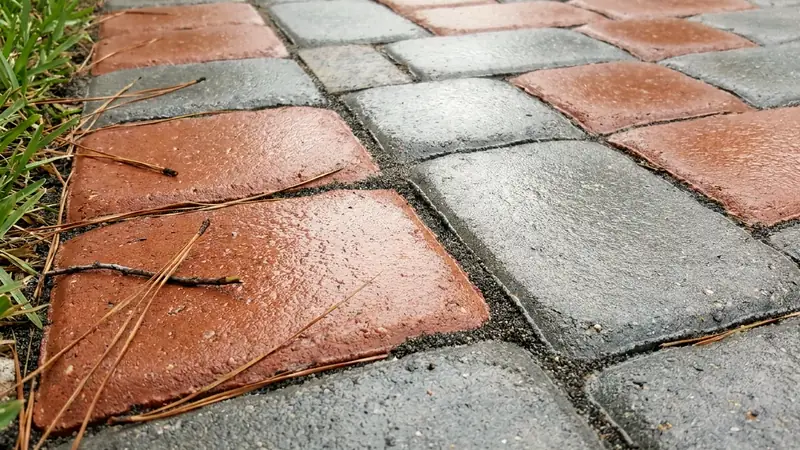
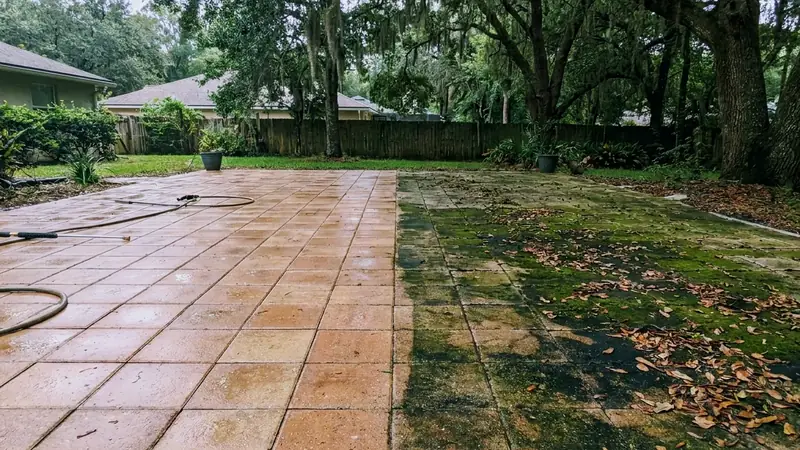
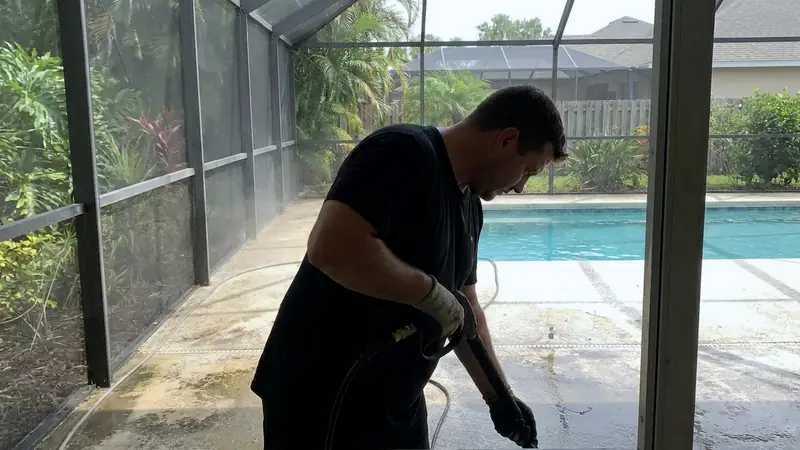
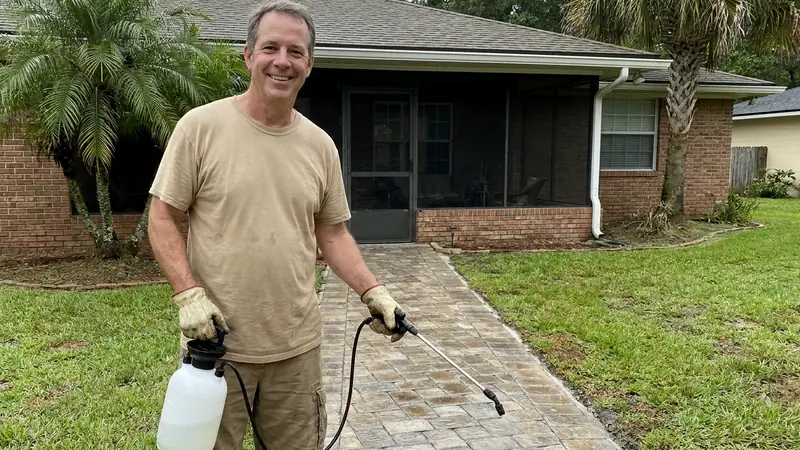
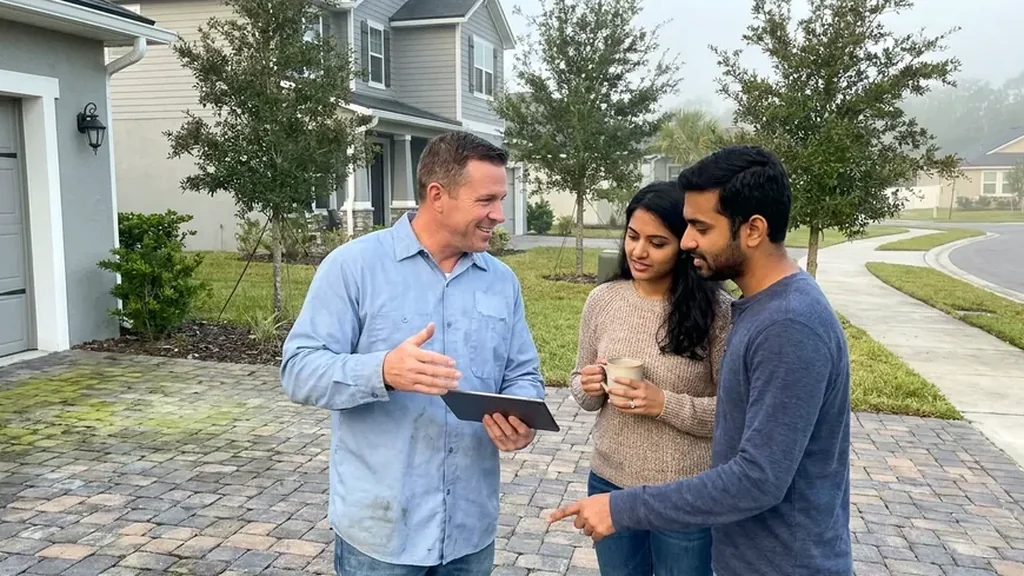
Why local matters in San Marco
Brick and concrete often share one San Marco yard, which means two plans and two products. A contractor used to newer subdivisions may use one coat on everything. To reach a local contractor, call (904) 593-3709.
With 14 parks and oaks and magnolias along many streets, damp shade is normal here. A local contractor adds wash time and dry time to the schedule. You can book a free estimate and ask how shade is handled.
Many San Marco homes date to the 1920s, and the City Beautiful plan left planted medians and larger lots. A local contractor keeps rinse water off old siding and mortar. Send photos of your home when you book a free estimate, with no obligation.
Does San Marco's history matter for paver sealing?
A little, because the age of the area explains the materials. South Jacksonville was its own city until 1932 and still lacked paved roads in 1907. San Marco broke ground in 1925, and its 250 lots sold within three hours. If your house is one of the 1920s originals, book a free estimate.
Marco Lake started as a clay pit for the Gamble and Stockton Brick Company, and by 1923 the firm was turning out 50,000 bricks daily. San Marco has 14 parks, among them Landon Park with its magnolias and oaks and Belmonte Park, platted in 1922. Treaty Oak Park holds one of the city's oldest live oaks. Near any of these, call (904) 593-3709.
Frequently Asked Questions
What is the average cost to seal pavers in San Marco?
Around Jacksonville the published range is $1.75 to $3.25 per square foot for wash, sand and seal. If the old coat has failed, strip-and-reseal adds to it. Get the total area and rate in writing. The figures are published ranges, not a quote for your yard.
How much does it cost to seal outdoor pavers in San Marco?
Plan on the same $1.75 to $3.25 range for driveways, walks, courtyards and pool decks. Shade, old sealer and lost joint sand move a job within that range. Smaller jobs often cost more per square foot, since prep does not shrink with the surface. The estimate itself is free.
What are the downsides of sealing pavers in San Marco?
Upkeep is the main one, since sealer wears and needs a new coat. On a wet look, scuffs show sooner than on matte. On old clay brick, the wrong film sealer can trap moisture and flake, so the product choice matters. Sunken pavers also need repair first, since sealing keeps a dip as it is. Hurried prep is how coats end up peeling.
What does it cost to seal old brick pavers in San Marco?
It falls in the same published range, but brick may need a penetrating product and more careful washing. Ask the contractor which sealer is planned and whether the quote covers both brick and any concrete in the yard. A short walk can cost more per foot than a long driveway. Quotes that list brick and concrete separately are easier to compare.
Can one sealer cover both brick and concrete pavers?
Not always. According to a Northeast Florida paver company, old clay brick generally takes silane or siloxane, and concrete pavers can use a film-forming acrylic. A yard with both needs a plan for each.
Do I need approval to seal pavers in a San Marco historic district?
It depends on your address. The city requires a Certificate of Appropriateness for exterior work in a local historic district, naming driveways as one case. The city page does not mention sealing, so check the Land Development Map first. An application for a small project may be handled by staff, so a short call can answer it.
How long do paver sealers last in San Marco?
Quoted spans between coats are usually two to five years. Shaded, damp brick wears differently than a sunny driveway. One Jacksonville company reads water that soaks in, not beads, as a spent coat. A quick water test shows which side of that line you are on.
Why is my sealed brick flaking?
A film sealer can trap moisture in old clay brick and cause flaking, one paver company says. The old coat usually has to be stripped, and a breathable product put on after. Ask a contractor to look at the surface first. A breathable product avoids the same trouble the next time.
How soon can I seal after the pavers are cleaned?
Once they are fully dry. A maker of sealers asks for a surface that has dried 24 hours after cleaning or rain. Oak shade can stretch that, and the contractor may wait an extra day.
Does shade from oaks make pavers harder to keep clean?
Yes. An oak canopy keeps a surface damp for hours after rain, and mildew moves in once the sealer wears thin. A sealed surface also gets cleaned more easily, because dirt and algae grip it less. A weekly sweep keeps leaves from holding moisture.
Does sealing stop weeds in San Marco brick and paver joints?
It slows them. When joints keep their sand, soil has nowhere to gather, and sealer holds the sand. A light sweep deals with seeds that land on top.
How do I find out what sealer is on my San Marco brick?
Tell the contractor at the estimate and let them test a small area. The old coat decides what follows, since water-based sealer will not go over solvent-based. Receipts from a past owner or a neighbor with the same walk can also help.
Nearby areas we serve
Ready for a Free Estimate in San Marco?
Call (904) 593-3709 and tell us about your pavers.
Free, no obligation